Behind the Scenes: From Books to Digital Learning
In our previous blog, "Designing E-learning for Everyone," we explored what makes digital learning truly work - accessibility, clarity, flexibility, and thoughtful design for different types of learners. This article is the next chapter of that story.
Over the past few months, we’ve been working closely with one of our clients - a school with a dedicated group of teachers to help them move from printed books and scattered PDFs to a single, structured digital learning environment using Tutor Platform.
What follows is not a polished success story, but a real behind-the-scenes look at what it actually takes to digitalize learning materials in a way that supports teachers, students, and managers alike.
The Starting Point: When Learning Materials Live Everywhere
Before the transition, the school's learning content was spread across multiple formats and tools:
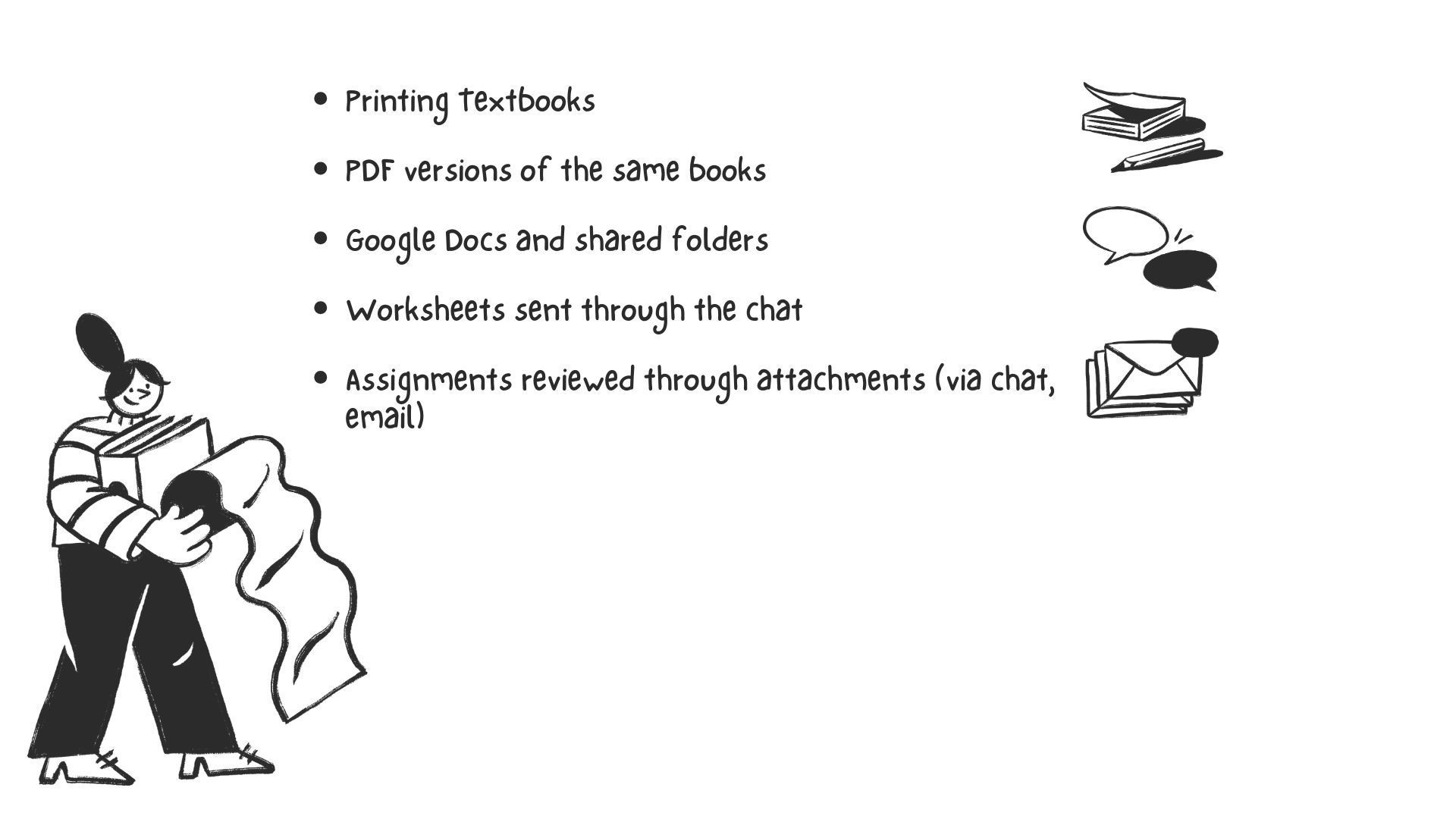
None of this was “wrong.”
But together, it created a heavy administrative load.
Teachers spent time rewriting the same exercises, checking multiple versions of the same document, and resending materials when something changed.
Managers struggled to get visibility into what content was being used and how students were progressing.
Students, meanwhile, had to navigate several channels just to complete a single lesson.
This setup is common - especially in schools that grow quickly without a digital content strategy in place.
Why We Focused on a Single Source of Truth
One of the first decisions we made together was to move everything into one place.
Not just to “go digital,” but to remove duplication and confusion.
A single source of truth means:
- Materials are created once and reused
- Updates happen instantly
- Assignments live alongside the content
- Teachers and students work in the same environment
- Managers can finally see how learning materials are used
For the school, this was less about technology and more about structure.
They wanted a system that would support teaching, not slow it down.
Turning Books into Living Digital Content
Most of the work centered around transforming existing books and PDFs into structured digital lessons.
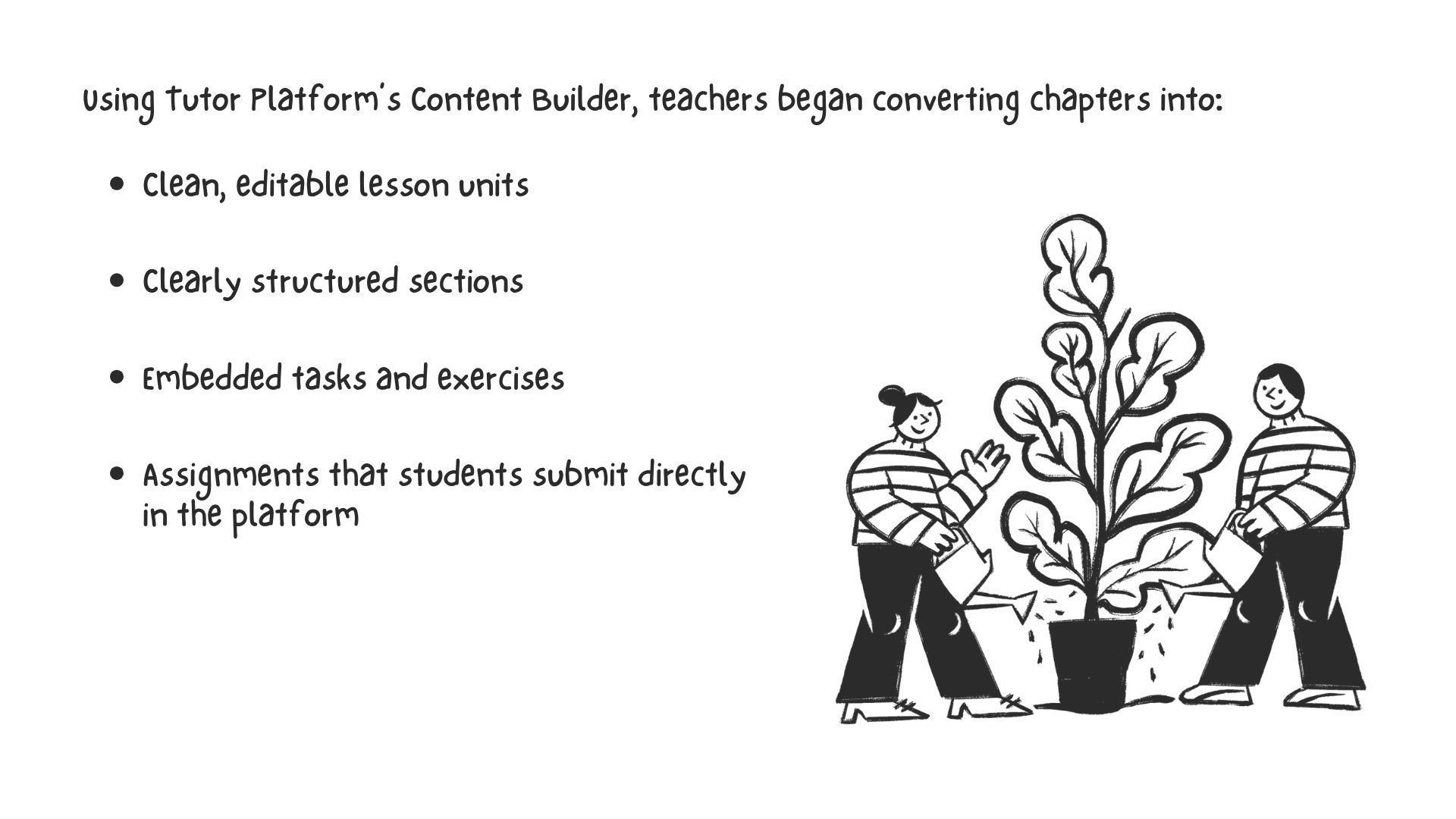
Instead of uploading PDFs, the content now lives inside the learning environment.
When something needs to be updated, it's a quick edit, not a full re-upload and resend.
One teacher summed it up simply:
"I don't recreate lessons anymore. I improve them."
That shift alone saved hours every week.
Making Assignment Review Manageable Again
Assignment review was another major pain point.
Previously, student work arrived through emails, messages, shared folders, or photos of handwritten pages.
Tracking progress across groups was difficult, and reviewing took far longer than it should have.
Now, assignments are created, submitted, reviewed, and commented on in one place.
Teachers don’t need to chase files.
Managers don’t need to search conversations.
Everything is traceable, visible, and consistent.
This didn’t just improve efficiency; it improved quality.
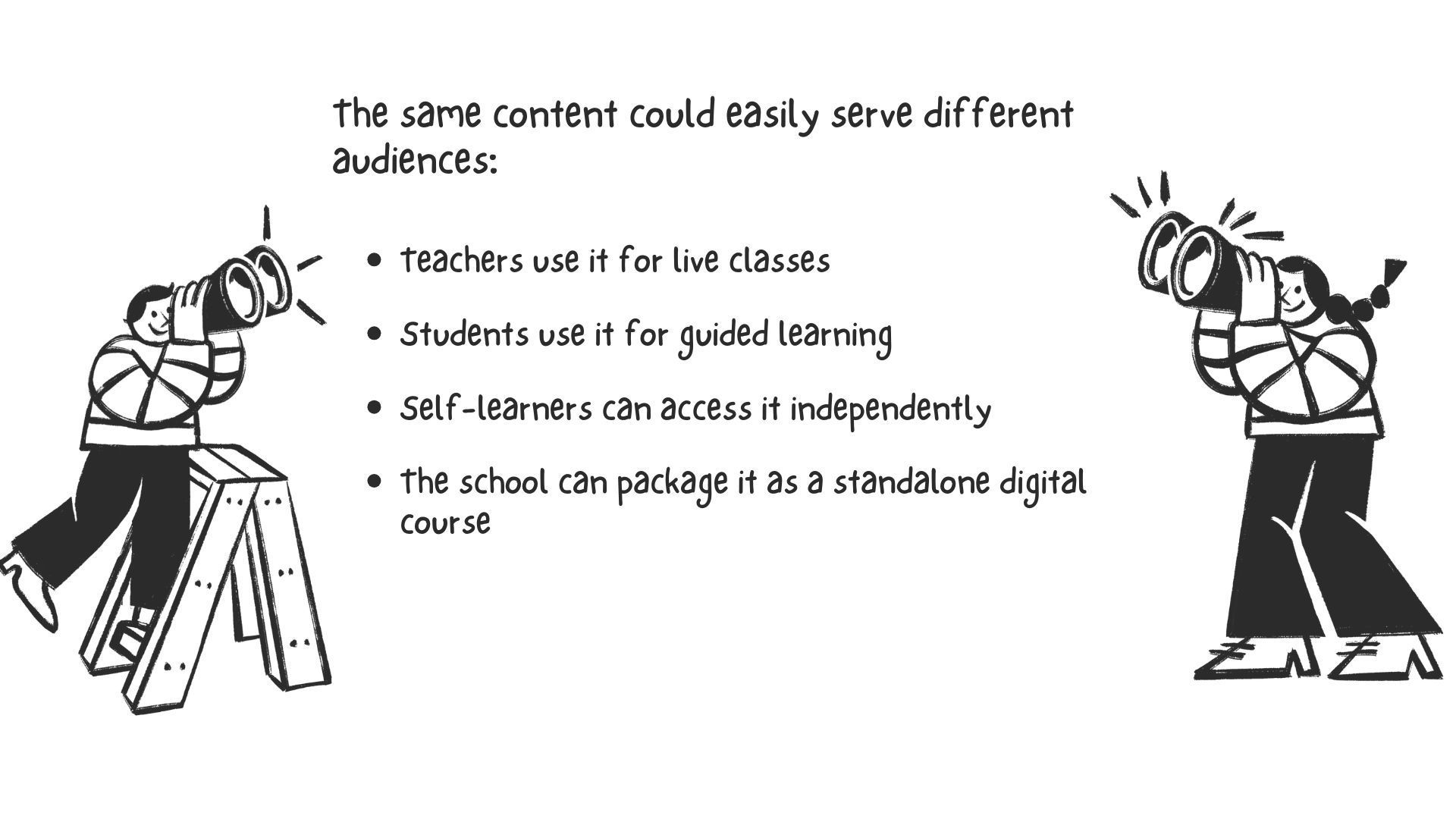
Because the content was no longer locked inside books or files, it became flexible and reusable.
Digitalization didn’t just solve today’s problems; it opened new opportunities.
What We’re Building Next: AI That Helps Educators Create Faster
While working with teachers, one pattern kept repeating:
The most time-consuming part of digital learning isn’t teaching; it’s preparing and structuring materials.
That insight is shaping what we’re building next.
Right now, we’re developing structured AI prompt workflows inside Tutor Platform, specifically for content creators and instructional designers.
The goal is not to generate random content, but to help educators move faster from raw material to digital-ready lessons.
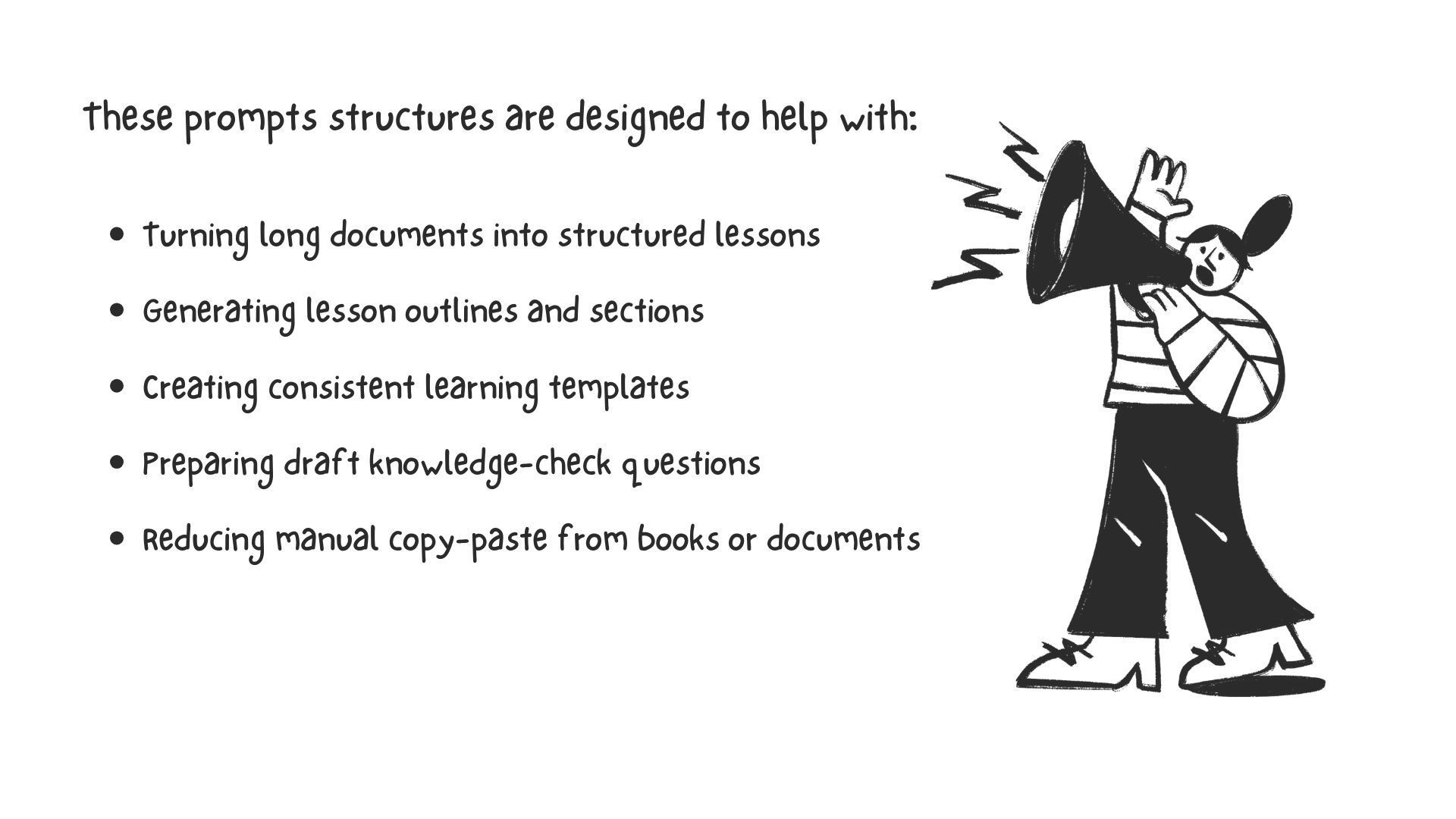
Educators will provide the structure and intent.
The platform will assist with the groundwork.
This approach keeps the educator in control, while removing repetitive, time-draining steps.
Why We’re Sharing This Early
This AI capability is still being built, and that’s intentional.
We want feedback from the people who will actually use it.
Teachers, instructional designers, and learning managers understand better than anyone where time is lost and where support would matter most.
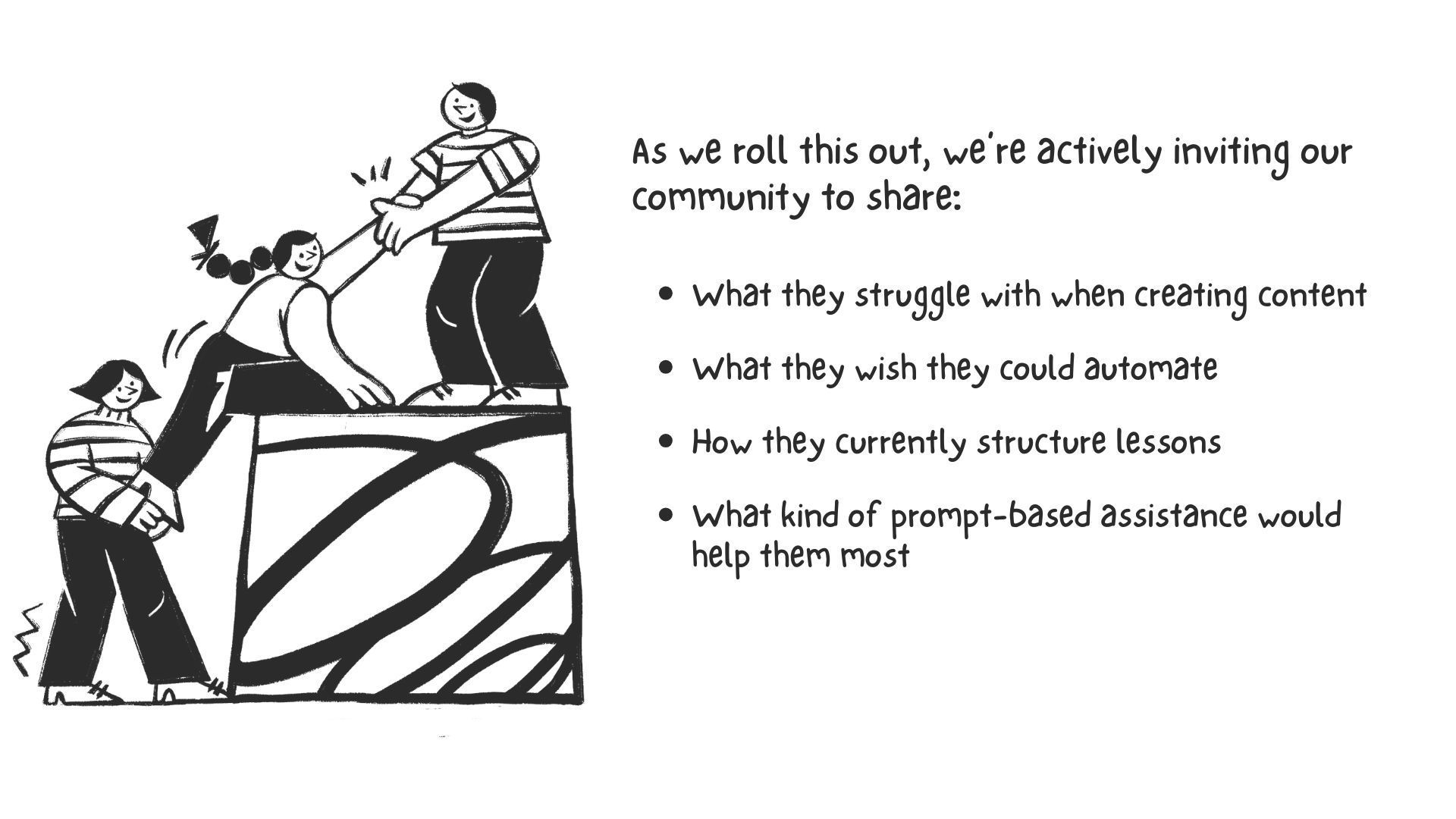
This isn’t about adding AI for the sake of it.
It’s about building tools that genuinely support educators.
What This Transformation Really Changed
For the school, the shift wasn’t just technical.
Teachers gained clarity and consistency.
Students gained a smoother learning experience.
Managers gained visibility and control.
Most importantly, the team stopped fighting their tools and started using them to support learning.
Final Thoughts
Digitalizing learning materials is rarely a single decision — it’s a series of small, thoughtful changes.
But when those changes are guided by real teaching needs, the impact is lasting.
This project reminded us that good digital learning isn’t about replacing existing practices.
It’s about removing friction so educators can focus on what they do best.
And this is just the beginning.