
November Recap
Q4 is on its sure way to end and we're in the run to bring even more value to our dedicated schools and their students. This time it's truly an update for both.🎯
Currently using Tutor Platform? We'd love to hear your story. Please take a few moments to fill out the survey, linked at the end of this post. 🙋
New features
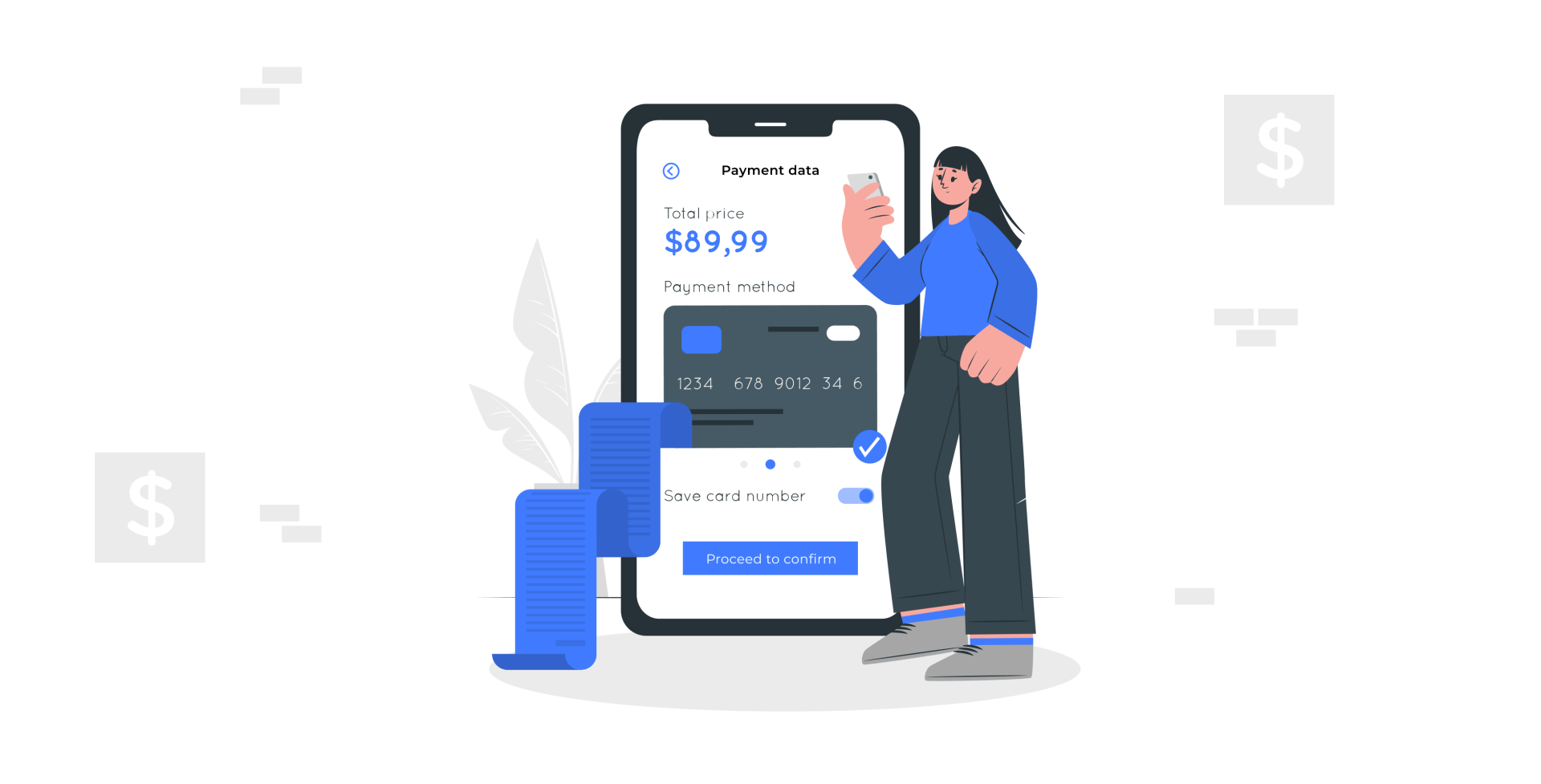
- Payments on mobile - pay for courses and lessons on the go! A long awaited one we're thrilled to finally deliver. Tutor Platform's mobile version (not to be mistaken with the Tutor Platform app on the Appstore) is a great way to manage, organize and schedule learning processes for both teachers and managers, along with your customers - students. Payments are now available on the mobile version of the student portal. Check out our mobile version using your phone.
- Request board customizations - an advanced sales pipeline built into your LMS. Long distance dream for some, reality for Tutor Platform users. You can now customize the request boards and set it up to work exactly with the lifecycle stages that works best for your school. Go to Requests from Management and select Request boards to see your school's sales pipeline.
- Changes in school settings - less buttons - more control. Sounds impossible? Go to your school settings to the refreshed new look. reorganized, removed options, some menus were merged.
- Assignment review page redesigned - simplified the review page, now it's faster and easier. We're rolling this out for all users in the next few weeks. You'll know it's better when you see it.
- Interactive book sections now have permalinks - while you're on the review page, check out the small new icon we've added next to each section. This is a "copy to clipboard" icon and it will copy the link to the section so you can share it with students.
- Join multiple schools - your students can now use the same email to join different schools.
Thoughts from our team
Each month, one of our teammates will share a quote or idea they like. Our Product Manager, Armen Meloyan shares the first quote:
"Tech gives the quietest student a voice." – Jerry Blumengarten
We only learn and grow if you give us feedback. Please take a minute to answer 3 questions about your experience with Tutor Platform.
What 2025 Taught Us About Building Digital Learning When we look back at 2025, what stands out most isn't a single feature launch or milestone. It's how much our understanding of digital learning changed by working closely with educators, managers, and learning teams. This year wasn't about building faster. It was about building more honestly, based on how teaching actually happens. What follows is a reflection on what we learned, what surprised us, and how those lessons are shaping the future of Tutor Platform. Why We're Looking Back at 2025 In education technology, there’s a constant push to move forward: new tools, new features, new promises. But meaningful progress requires pause; moments to reflect on what’s working, what isn’t, and why. For Tutor Platform , 2025 was a year where assumptions met reality. We didn’t just ship product updates. We worked side by side with educators as they tried to move their learning materials, assignments, and workflows into a digital environment. And through that process, we learned that digital learning isn’t primarily a technical challenge. It’s an operational one. Looking back at the year helps us make sense of that shift — and share what building with educators has taught us. Digital Learning Starts With Teachers, Not Tools Much of the conversation around digital learning focuses on learners: engagement, accessibility, and outcomes. These are all critical. But 2025 reinforced something fundamental for us: If a digital learning experience doesn’t work for teachers, it won’t work for learners either. Teachers are the ones preparing materials, updating content, reviewing assignments, and responding to questions. When their workflows are fragmented or overly complex, the learning experience downstream suffers — no matter how polished the platform looks. This insight directly builds on what we explored earlier in Designing E-Learning for Everyone. Inclusive and effective learning design isn’t just about who can access content — it’s about who can manage it without burning out. In 2025, we saw firsthand how much invisible work sits behind every lesson. And we realized that improving teacher experience isn’t a “nice to have.” It’s the foundation. Content Became the Biggest Bottleneck One of the biggest surprises this year was where most of the friction lived. It wasn’t in teaching itself. It wasn’t even about using new technology. It was in managing content. Most institutions we worked with already had good materials: books, PDFs, presentations, exercises, and notes built over the years. The challenge wasn’t quality — it was structure.
Behind the Scenes: From Books to Digital Learning In our previous blog, "Designing E-learning for Everyone," we explored what makes digital learning truly work - accessibility, clarity, flexibility, and thoughtful design for different types of learners. This article is the next chapter of that story. Over the past few months, we’ve been working closely with one of our clients - a school with a dedicated group of teachers to help them move from printed books and scattered PDFs to a single, structured digital learning environment using Tutor Platform. What follows is not a polished success story, but a real behind-the-scenes look at what it actually takes to digitalize learning materials in a way that supports teachers, students, and managers alike. The Starting Point: When Learning Materials Live Everywhere Before the transition, the school's learning content was spread across multiple formats and tools:
Inclusive, Accessible & Mobile-Ready Education
