Tutor Platform Product Update: A New Era of Learning

Over the past months, we’ve been building a better experience for trainers, learners, and organizations using Tutor Platform.
Today, we’re excited to announce major new features that make training more flexible, certifications more seamless, and global operations smoother than ever.


Here’s what’s new:


Self-Learning Flow

You can now build self-learning courses that students complete on their own, without a live instructor.
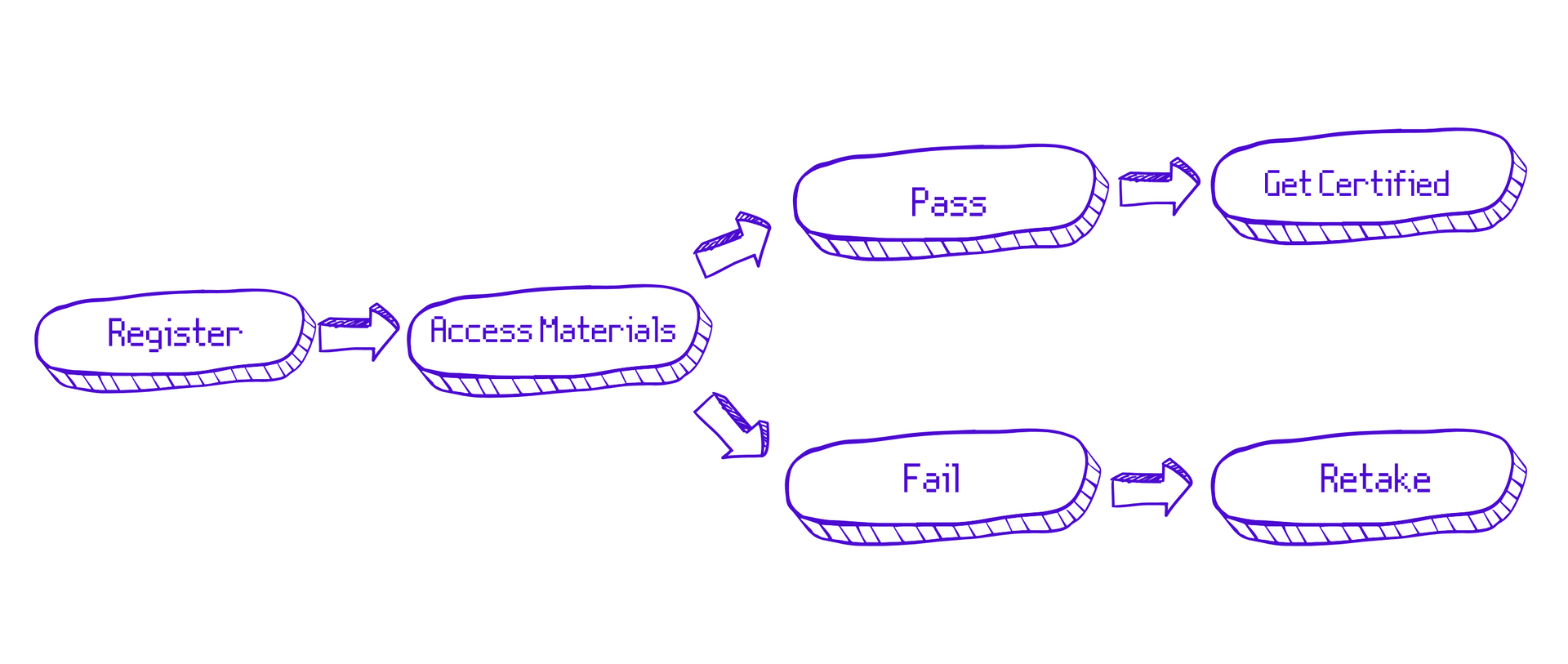
Learners register, access materials, complete lessons, and earn certificates — all within one flow.
If they don't pass, they can retake until they succeed.


Ideal for:

  • Corporate training programs
  • Compliance courses
  • Skill-based certification paths

Automated Certificates

Certificates are now automatically issued based on course results, using scores or pass percentages you define.
Custom fields link learner data directly to certificates, saving time and reducing errors.

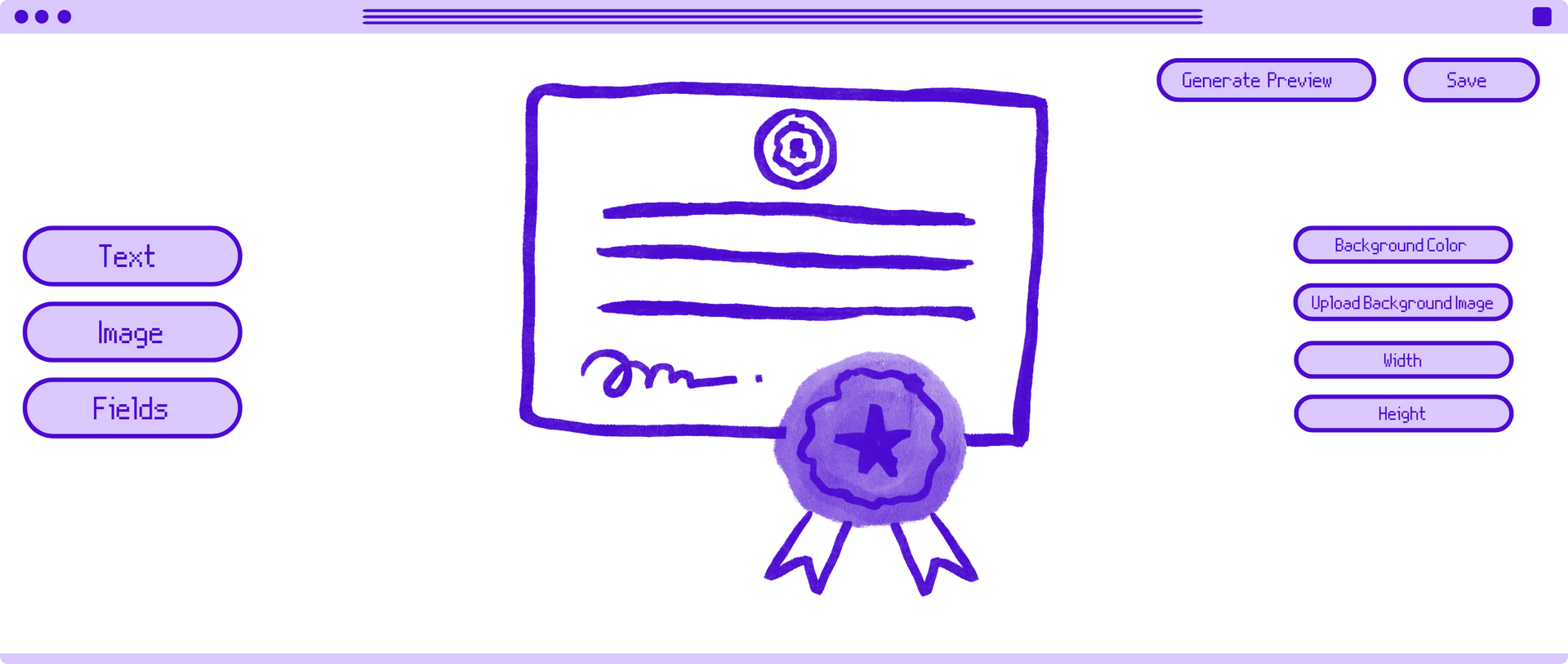
You can also fully design certificates with your branding, logos, and layouts through our new Certificate Builder.


Smarter Registration

We've added customizable registration fields that sync with certificates and reports, making it easier to manage learner information and automate administrative tasks.


Testing Improvements


  • Randomized Test Questions: Each attempt reshuffles questions to ensure real learning.
  • Custom Point Values: Assign different weights to questions based on importance.

These improvements help create fairer, more meaningful assessments.


Platform Improvements

While we’ve introduced powerful new features, we’ve also focused on improving the day-to-day experience for everyone using the platform, from smoother navigation to smarter systems working quietly in the background.


Mobile UI Upgrades: A Better Experience, Anywhere

The Tutor Platform’s web interface now adapts seamlessly across devices, especially mobile. Whether learners are studying on a phone, tablet, or desktop, the experience is smooth, fast, and intuitive.

Time Zone Precision: Global Scheduling That Just Works

We’ve overhauled our time zone handling to eliminate scheduling confusion, even with daylight saving changes. No matter where teachers or students are in the world, class times now display accurately for all.

Smart Tutor Transitions: Consistency for Groups

Changing tutors no longer disrupts learning. Groups stay intact, and all progress and session history is preserved. The platform simply reassigns the tutor, maintaining a smooth and continuous learning flow.


What's Next?

These updates are just the beginning. We're committed to building a platform that supports the way people learn today — flexible, global, and learner-driven.
Thank you for being part of our growing community.
By Mariam Danielyan January 5, 2026
What 2025 Taught Us About Building Digital Learning When we look back at 2025, what stands out most isn't a single feature launch or milestone. It's how much our understanding of digital learning changed by working closely with educators, managers, and learning teams. This year wasn't about building faster. It was about building more honestly, based on how teaching actually happens. What follows is a reflection on what we learned, what surprised us, and how those lessons are shaping the future of Tutor Platform. Why We're Looking Back at 2025 In education technology, there’s a constant push to move forward: new tools, new features, new promises. But meaningful progress requires pause; moments to reflect on what’s working, what isn’t, and why. For Tutor Platform , 2025 was a year where assumptions met reality. We didn’t just ship product updates. We worked side by side with educators as they tried to move their learning materials, assignments, and workflows into a digital environment. And through that process, we learned that digital learning isn’t primarily a technical challenge. It’s an operational one. Looking back at the year helps us make sense of that shift — and share what building with educators has taught us. Digital Learning Starts With Teachers, Not Tools Much of the conversation around digital learning focuses on learners: engagement, accessibility, and outcomes. These are all critical. But 2025 reinforced something fundamental for us: If a digital learning experience doesn’t work for teachers, it won’t work for learners either. Teachers are the ones preparing materials, updating content, reviewing assignments, and responding to questions. When their workflows are fragmented or overly complex, the learning experience downstream suffers — no matter how polished the platform looks. This insight directly builds on what we explored earlier in Designing E-Learning for Everyone. Inclusive and effective learning design isn’t just about who can access content — it’s about who can manage it without burning out. In 2025, we saw firsthand how much invisible work sits behind every lesson. And we realized that improving teacher experience isn’t a “nice to have.” It’s the foundation. Content Became the Biggest Bottleneck One of the biggest surprises this year was where most of the friction lived. It wasn’t in teaching itself. It wasn’t even about using new technology. It was in managing content. Most institutions we worked with already had good materials: books, PDFs, presentations, exercises, and notes built over the years. The challenge wasn’t quality — it was structure.
By Mariam Danielyan December 22, 2025
Behind the Scenes: From Books to Digital Learning In our previous blog, "Designing E-learning for Everyone," we explored what makes digital learning truly work - accessibility, clarity, flexibility, and thoughtful design for different types of learners. This article is the next chapter of that story. Over the past few months, we’ve been working closely with one of our clients - a school with a dedicated group of teachers to help them move from printed books and scattered PDFs to a single, structured digital learning environment using Tutor Platform. What follows is not a polished success story, but a real behind-the-scenes look at what it actually takes to digitalize learning materials in a way that supports teachers, students, and managers alike. The Starting Point: When Learning Materials Live Everywhere Before the transition, the school's learning content was spread across multiple formats and tools:
By Mariam Danielyan November 19, 2025
Inclusive, Accessible & Mobile-Ready Education
Show More